


Project Background
Over the past several years, traffic volumes on highways and urban expressways have continued to increase, particularly with the growing number of heavy-duty vehicles. As a result, pavement stability under high-temperature conditions has become one of the most pressing challenges faced by many road projects.
In regions that experience extremely hot summers, pavement temperatures can remain elevated for extended periods. Under these conditions, rutting, surface aging, and other forms of pavement distress tend to become more pronounced. Heavy traffic loading only accelerates the deterioration process.
Selection of the Pavement Solution
When this project was evaluating pavement improvement options, the primary alternatives included conventional petroleum asphalt and SBS-modified asphalt. While SBS modification could undoubtedly enhance high-temperature performance, the project team placed greater emphasis on overall project economics. Their focus extended beyond material procurement costs to include long-term maintenance expenses, which often place greater pressure on project budgets than the initial construction phase.
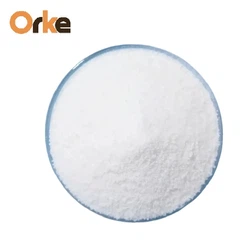
As the evaluation progressed, the team began looking for a solution that could maintain high-temperature performance while offering better cost efficiency. Following several rounds of laboratory testing and technical assessment, ultra-fine natural asphalt powder was selected as the preferred modifier.
This material undergoes an ultra-fine grinding and dispersion process, resulting in particle sizes significantly smaller than those of conventional natural asphalt products. During asphalt production, the finer particles disperse more easily throughout the binder, promoting a more uniform mixture. Traditional natural asphalt products can sometimes present challenges related to dispersion consistency and construction workability. The ultra-fine version effectively addresses many of these concerns.

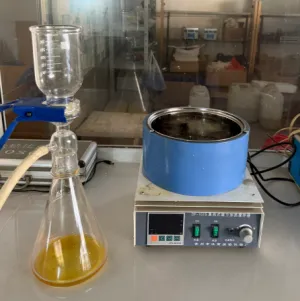
Laboratory Performance Evaluation
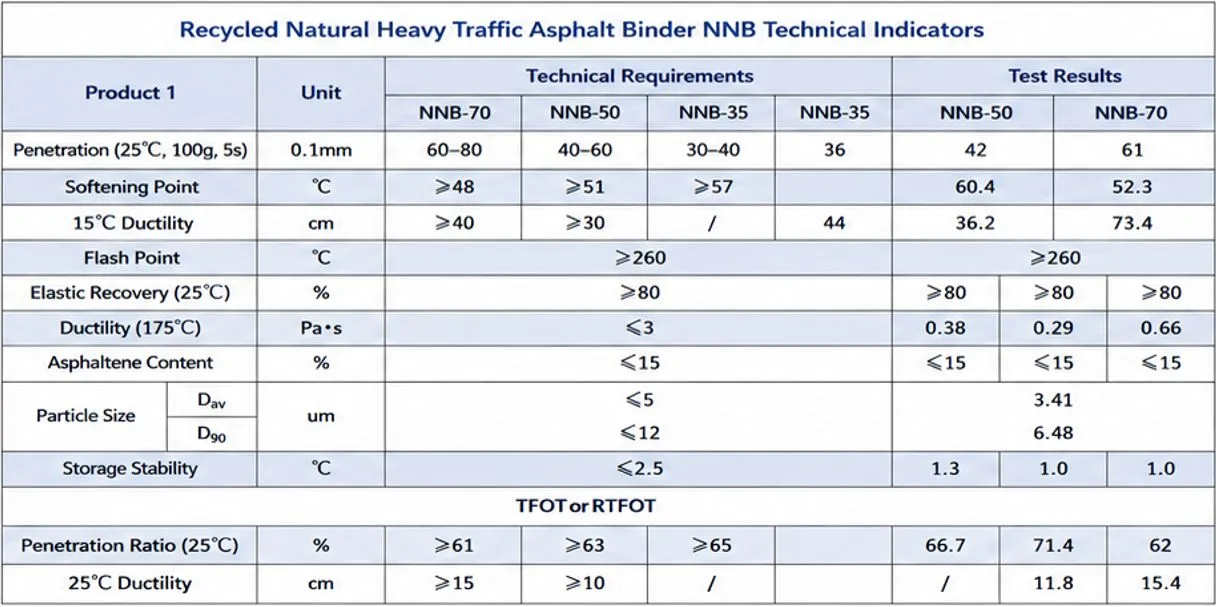
Laboratory testing demonstrated clear improvements in performance. Dynamic modulus results were significantly higher than those of locally used conventional petroleum asphalt mixtures.
The project team also conducted long-term aging and moisture resistance testing. Even after five days of accelerated aging, the TSR (Tensile Strength Ratio) remained above 75%. Although this figure may not appear extraordinary on its own, it indicates that the mixture retained satisfactory moisture resistance and overall durability after aging.
These test results provided confidence that the material could deliver stable long-term pavement performance under demanding service conditions.
Construction Compatibility and Field Application
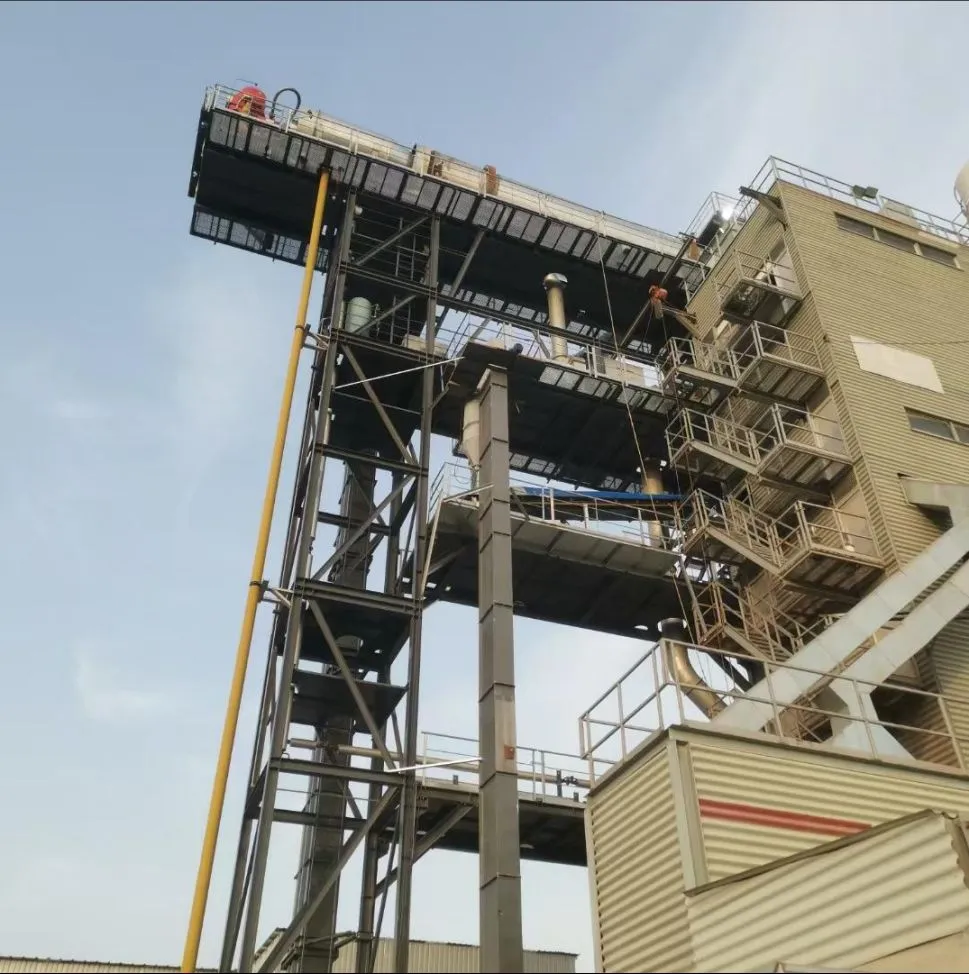
One factor that received considerable attention during the selection process was construction compatibility. The project owner preferred a solution that would not require major modifications to the existing asphalt plant.
In practical application, the original mixing system remained largely unchanged. This was important because extensive equipment upgrades are often viewed unfavorably by contractors due to the associated costs and operational disruptions.
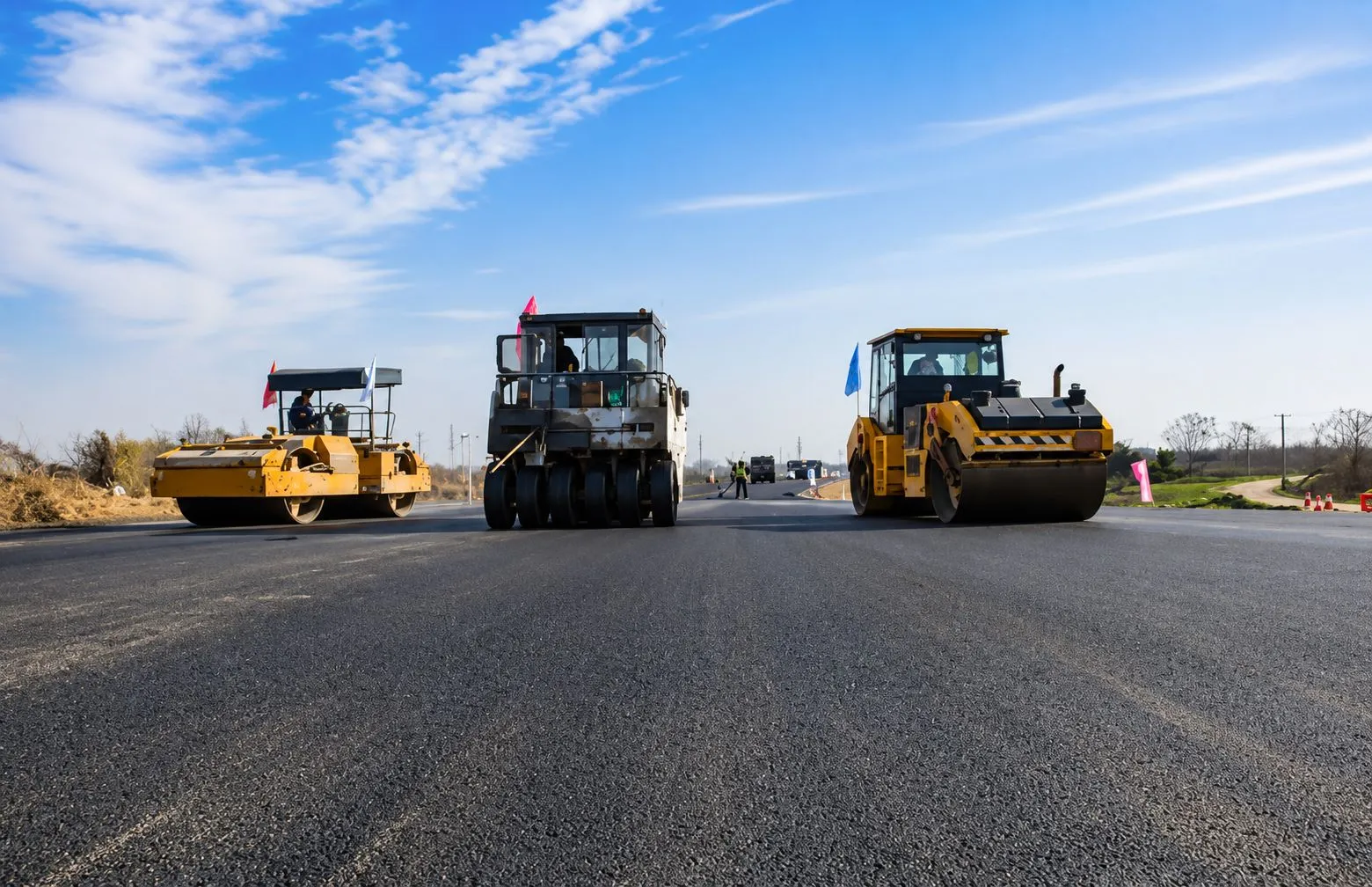
The material was primarily applied to pavement sections exposed to high temperatures and heavy traffic loading, including urban expressways and selected long-distance highway segments.
According to field personnel, the mixing process remained stable throughout production. Paving operations proceeded normally, and no significant issues related to segregation, workability, or construction quality were encountered.
Field Performance After Opening to Traffic
After the pavement had been in service for a period of time, its high-temperature deformation resistance proved to be more stable than that of conventional petroleum asphalt pavements. The improvement was particularly noticeable during extended periods of hot weather, when rutting control became increasingly important.
One of the key reasons the project team viewed the solution favorably was its ability to achieve a practical balance between performance and cost. Fully adopting premium heavy-duty modified asphalt systems would have resulted in a significant increase in material expenses.
In contrast, the natural asphalt-based solution offered a more economical alternative. According to the project's cost analysis, material costs were reduced by approximately USD 100 to USD 300 per ton compared with some heavy-duty modified asphalt options. While the difference may seem modest on a per-ton basis, the savings became substantial when applied across large-scale highway projects.
As a result, the same solution was subsequently adopted for several additional road sections.
Economic Benefits and Industry Relevance
Based on current project experience, ultra-fine natural asphalt powder is particularly suitable for projects seeking to improve high-temperature pavement performance while maintaining reasonable modification costs.
In recent years, the material has gained increasing attention in regions characterized by high temperatures and heavy traffic loading. This trend is driven not only by performance requirements but also by the growing emphasis on life-cycle cost management within the road construction industry.
As more agencies and contractors shift their focus from initial construction costs to long-term pavement value, ultra-fine natural asphalt powder is becoming an increasingly attractive option for delivering a balance of durability, performance, and economic efficiency.