


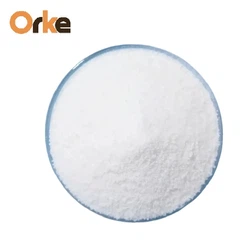
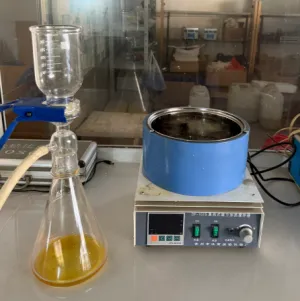
Project Background
In recent years, with the rapid pace of urbanization, traffic volumes on urban expressways and major arterial roads have continued to increase. The growing number of heavy trucks, in particular, has made pavement stability under high-temperature conditions a critical concern for many road projects.
The project discussed here involved a section of urban expressway and several connecting highway ramps where heavy truck traffic remained consistently high. During the first few years after construction, the conventional petroleum asphalt pavement performed satisfactorily. However, after prolonged exposure to heavy traffic loading, signs of rutting and localized deformation gradually began to appear. The problem became especially noticeable during the summer months when pavement temperatures were at their highest.
Evaluation of Rehabilitation Solutions
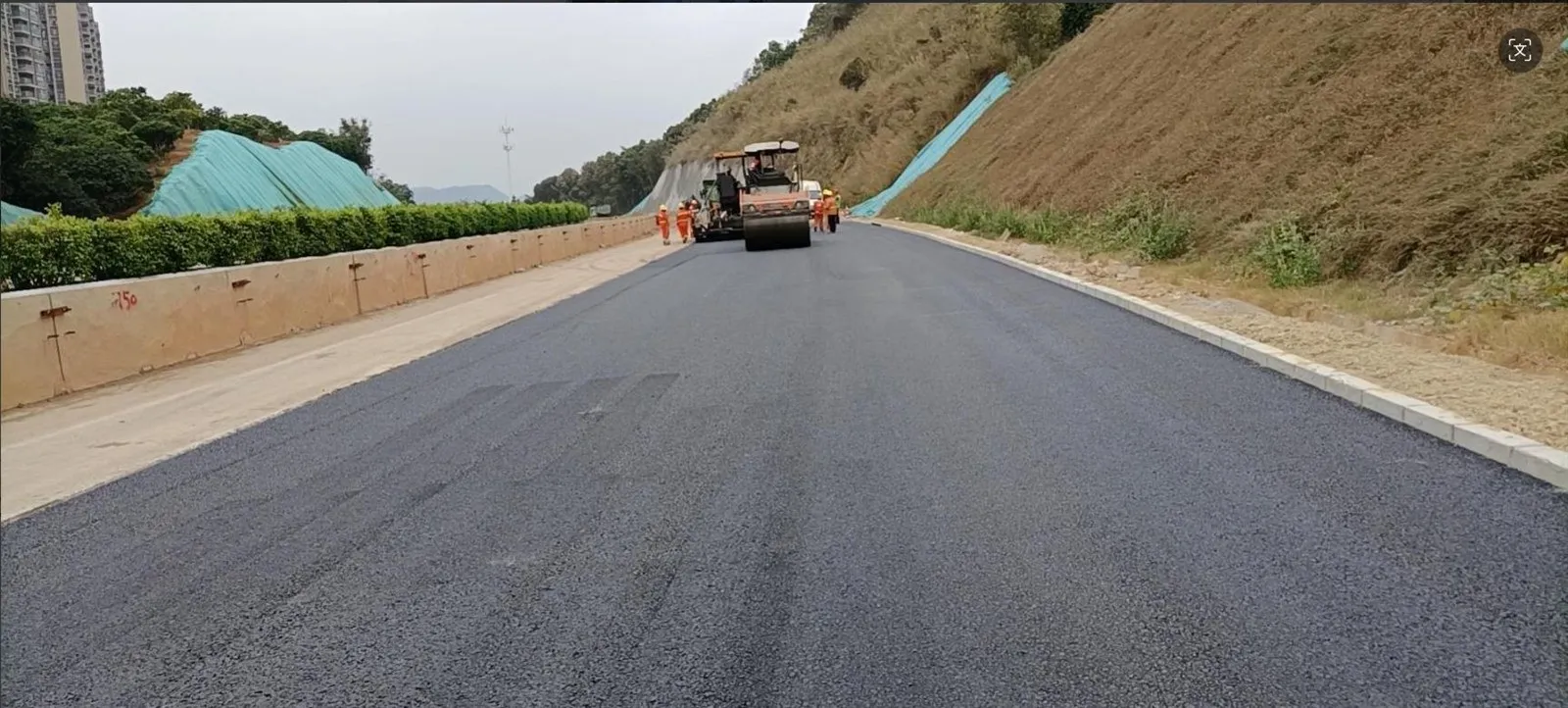
As part of a pavement rehabilitation evaluation, the project team compared several upgrade options, including SBS-modified asphalt. While SBS modification could provide the required high-temperature performance, the project team was equally concerned about overall life-cycle cost. In many road projects, the challenge is not limited to initial construction expenses; maintenance costs over the pavement's service life often become a greater burden. This is particularly true for urban expressways and highways, where repeated maintenance activities can significantly affect traffic operations and increase overall expenditure.
During the optimization process, the team introduced an ultra-fine high-modulus natural asphalt powder solution. The material undergoes advanced micronization treatment, resulting in particle sizes that are substantially finer than those of conventional natural asphalt products.
Construction Compatibility and Field Application
One practical concern for the contractor was whether the material could be incorporated into the existing asphalt mixing system without major equipment modifications. To avoid additional investment in plant upgrades, the project team preferred a solution that could integrate seamlessly into the current production process. In actual application, the existing system required minimal adjustment. The mixing process remained stable, aggregate coating and dispersion were uniform, and no significant issues related to agglomeration or workability were observed.
Laboratory Performance Evaluation
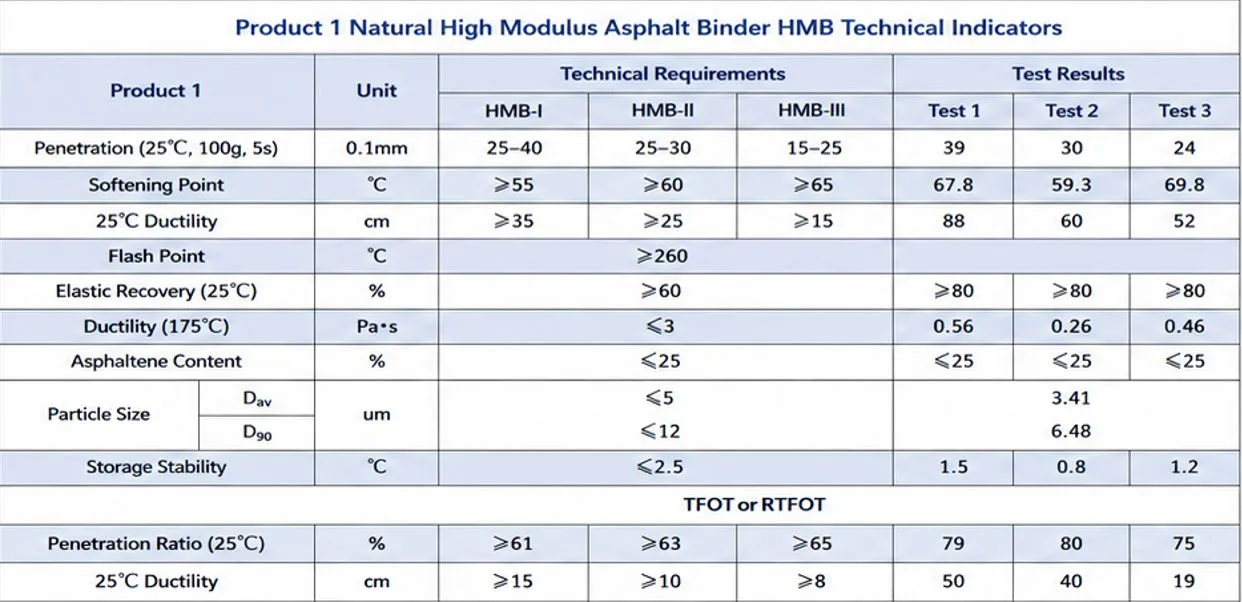
At the laboratory evaluation stage, the project focused primarily on several key performance indicators, including dynamic modulus and high-temperature stability. Once the dynamic modulus of the asphalt mixture exceeded 15,000 MPa, the overall structural stability of the pavement improved noticeably. More importantly, the increased stiffness did not negatively affect subsequent paving operations, and test data remained consistent throughout the evaluation period. Under high-temperature conditions, mixtures containing ultra-fine high-modulus natural asphalt powder demonstrated significantly greater resistance to rutting compared with conventional petroleum asphalt mixtures.
Bridge Deck Performance Verification
Bridge deck pavements received particular attention during the project. Because bridge structures are more sensitive to temperature fluctuations and traffic loading, any pavement distress can lead to higher maintenance costs and greater disruption to traffic. As a result, the project team conducted additional fatigue performance testing. The test results were encouraging. After the material was incorporated into the pavement system, the fatigue life improved considerably, indicating better long-term performance under heavy traffic conditions. Equally important, the increase in modulus did not result in any significant reduction in low-temperature cracking resistance, which was a critical factor during the final material selection process.
Construction Performance and Workability
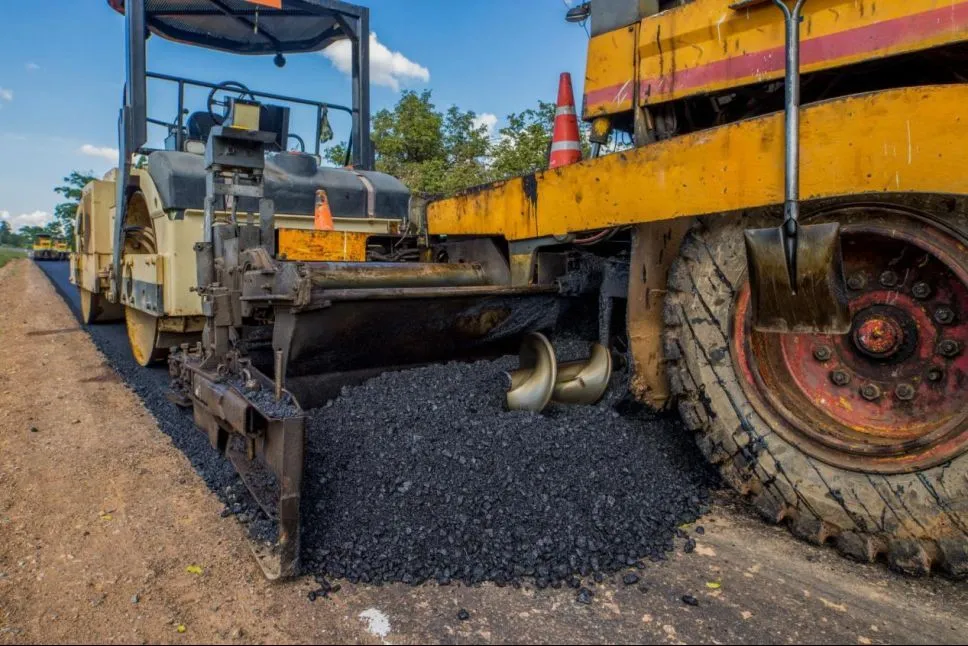
Construction activities proceeded smoothly. Paving and compaction operations showed little difference from conventional asphalt mixtures, and field personnel reported satisfactory workability. Large-area paving sections also demonstrated stable construction performance and consistent pavement quality.
Benefits of Ultra-Fine High-Modulus Natural Asphalt Powder
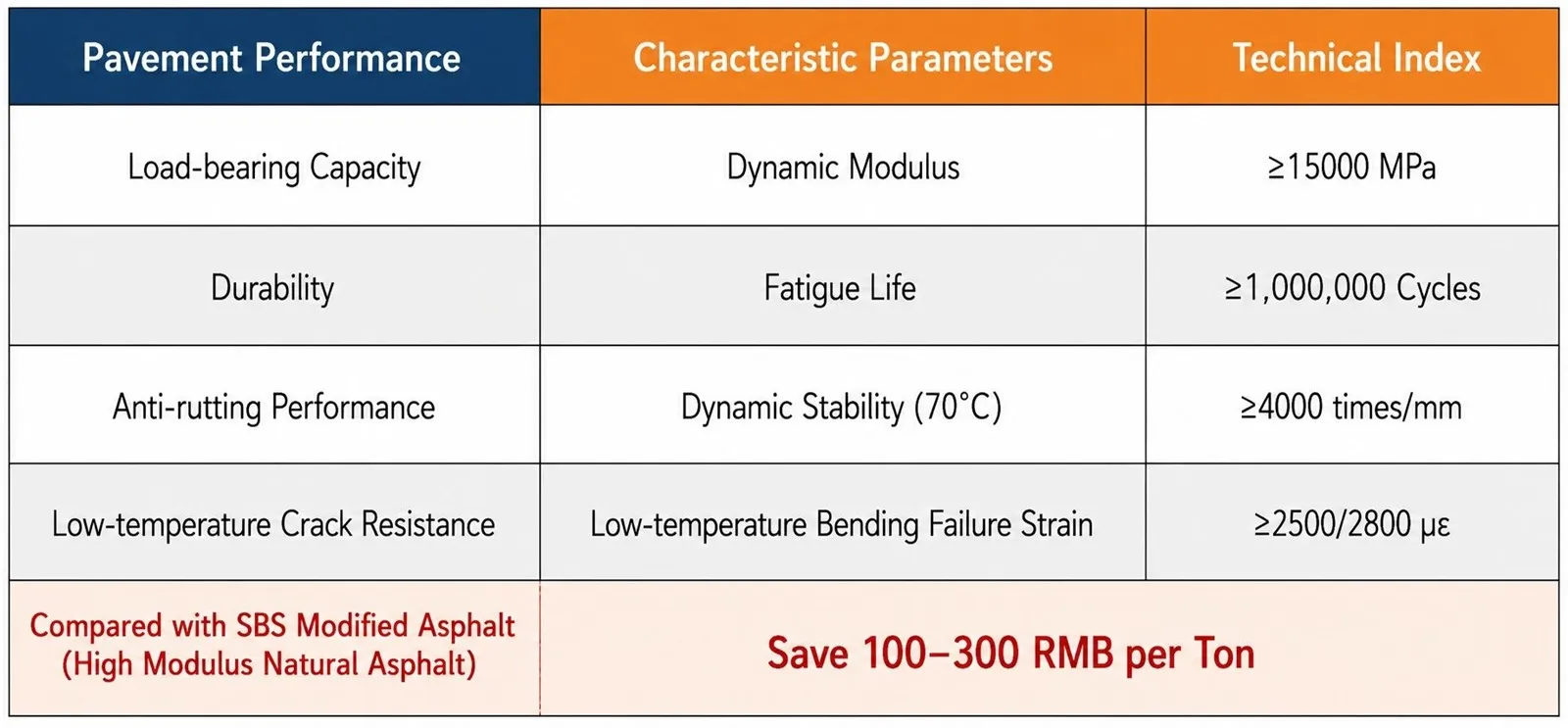
Today, many transportation agencies are placing greater emphasis on extending pavement service life and reducing maintenance frequency. In regions characterized by high temperatures and heavy traffic loading, engineering performance requirements for paving materials continue to rise. Based on the results observed in this project, ultra-fine high-modulus natural asphalt powder appears to be particularly well suited for applications where both pavement performance and cost efficiency are priorities. This includes highways, urban arterial roads, and other heavily trafficked corridors, as well as road sections where future maintenance activities may be difficult or costly.
Based on the project's performance to date, this material has demonstrated clear practical value in improving high-temperature stability, reducing rutting, and lowering long-term maintenance demands.