


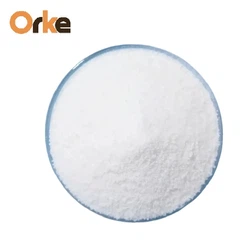

Phenolic Resins
Your Professional Phenolic Resins Supplier!
In order to integrate our group production & sourcing channels, facilitate in-depth cooperation with our partners, and provide better services to abroad clients, we, Orke chemcial Co.,LTD established in 2025. With supporting of our four production bases, Orkechem business cover from functional petroleum resin, solvents, plasticizers, to specialty products used in asphalt & rubber filed.


Why Choose Us
Rich Experience
After more than 20 years of development, we have grows to be one of the reliable and reputable companies in chemical filed, and our products have gained a considerable market share.
Our Certifications
Zhengde has obtained the ISO9001:2015 standard certification.
Sales Market
Orke Chemical was set up to develop abroad market, provide our client with an unmatched portfolio of delivery and supply chain solutions.
Phenolic resin, also known as phenol-formaldehyde resin, is a synthetic polymer created by combining phenol or a phenol derivative with an aldehyde, typically formaldehyde. These heat-cured, or thermosetting, resins offer excellent properties such as high heat resistance, flame resistance, electrical insulation, and resistance to chemicals and solvents, making them ideal for applications in electrical components, automotive parts (like brake pads and clutch facings), laboratory surfaces, and engineered wood products.

Product Specification
We offers the following product specifications:
|
Model |
Appearance |
Fineness |
Pellet flow/125℃ (mm) |
Water content |
Residual carbon (%) |
Remark |
|
E511 |
White/light yellow powder |
99% pass through 160 mesh |
- |
<1% |
40-45 |
With a little hexamine |
|
E512 |
99% pass through 300 mesh |
30-40mm |
<1% |
55-59 |
Hexamine content: 8-10% |
|
|
E521 |
99% pass through 200 mesh |
- |
<1% |
37-42 |
Whithout hexamine |
Features of Phenolic Resin
Ultra high insulation performance
The low dielectric constant and dielectric loss tangent value can effectively isolate electronic signal interference. This can ensure the stable insulation of circuit board and electronic components, and meet the needs of high-precision electronic equipment.
Strong mechanical strength
The crosslinking structure formed after curing is dense and has excellent impact and bending resistance. It can provide reliable structural support for printed circuit boards and electronic packaging components, reducing the risk of damage from external forces.
Excellent chemical resistance
It has good tolerance to acid and alkali solutions and organic solvents, and is not easy to degrade due to contact with chemical substances in the production and use of electronic devices, so as to prolong product life.
Excellent heat resistance
The high glass transition temperature can withstand high temperature environment above 150℃ for long-term use. At the same time, it is not easy to deform and crack in temperature fluctuation, which can meet the performance of electronic devices under high temperature conditions.
Types of Phenolic Resin
Phenolic resins are divided into two different types, novolacs and resoles. Both have high temperature stability up to 300° – 350° C, high water and chemical stability. Phenolic resins are often dark-colored from yellow to dark red, and have an excellent price/performance profile.
Novolacs are phenol–formaldehyde resins made when the molar ratio of formaldehyde to phenol is less than one. The polymerization is brought to completion using acid–catalysis such as oxalic acid, hydrochloride acid, or sulfonate acid. The phenol units are mainly linked by methylene and/or ether groups.Novolacs are commonly used as photoresists. The molecular weights are in the low thousands, corresponding to about 10–23 phenol units.
Application of Phenolic Resins
Electronics:
Used as substrates for printed circuit boards (PCBs) and for electrical insulation due to their excellent electrical properties, heat resistance, and fire safety.
01
Construction & Home:
Found in durable countertops, flooring, and laminates for laboratory furniture and commercial surfaces, offering chemical and moisture resistance.
02
Transportation:
Applications include aircraft interiors, rocket nozzles, railcar and bus components, and armored vehicle parts, leveraging its light weight, durability, and fire resistance.
03
Abrasives & Adhesives:
Utilized in grinding wheels and emery cloth, and as a tackifier and enhancer for rubber and adhesives.
04
Lumber Industry:
A significant user is the lumber industry, particularly in North America, for the production of Oriented Strand Board (OSB).
05
Package & Storage
Package: 20kg or 25kg/bag.
Packed in woven bags with plastic film liners, or double-layered kraft paper bags with inner plastic film lining.
Storage: Must be stored in a cool, dry, and well-ventilated place. Protect from moisture and caking.
Keep away from heat sources.

FAQ
Qingdao Orke Chemical Co., Ltd. is well-known as one of the leading phenolic resins manufacturers and suppliers in China. If you're going to buy customized phenolic resins made in China, welcome to get quotation and free sample from our factory. For price consultation, contact us.
Electronic Grade Phenolic Resin, Phenolic Resin For Composite Materials, Phenolic Resins