



What Determines the Color of White Fused Alumina Micro Powder? A Supplier's Insight
White Fused Alumina Micro Powder is a staple in various industrial sectors, prized for its superior physical properties. As a leading supplier, one of the most frequent inquiries I receive concerns a fundamental yet vital characteristic: its color. In this article, we will explore the specifics of the color of White Fused Alumina Micro Powder and its significance in practical applications.
Understanding White Fused Alumina
Before delving into the color, it is essential to understand the material itself. White Fused Alumina (WFA) is produced by melting high-purity alumina powder in an electric arc furnace at extremely high temperatures (around 2000 - 2250°C). This controlled high-temperature fusion results in a dense, uniform product known for excellent hardness, chemical stability, and thermal resistance.
WFA is available in various forms, including granular and micro powder. The micro powder variant is created by further processing granular material to achieve fine particle sizes, typically ranging from a few micrometers to tens of micrometers. This fine form possesses unique properties suitable for a wide array of applications, from abrasive tools to refractory materials and composite fillers.
The Color of White Fused Alumina Micro Powder
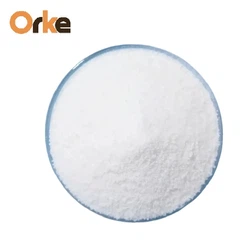
The name "White Fused Alumina Micro Powder" clearly indicates its appearance. In its purest form, this micro powder is white. This characteristic white color results from its high alumina content, typically exceeding 99%. The absence of significant impurities-such as iron, titanium, or other metal oxides that typically impart color-is the primary reason for its pristine white appearance.
However, in real-world scenarios, the color can exhibit slight variations. It may sometimes appear as slightly off-white or cream-colored. These minor deviations can be attributed to several key factors:
1. Impurities
Although known for high purity, trace impurities may exist. Small amounts of iron oxide or other colored impurities introduced via raw materials or during production can alter the color. For instance, trace iron oxide may impart a slight yellowish tint.
2. Production Conditions
The production process, including temperature, heating time, and furnace atmosphere, significantly influences the final color. If the melting process is not precisely controlled, it may lead to the formation of non-stoichiometric compounds or crystal structure defects, causing color changes.
3. Particle Size
The particle size of the micro powder also influences perceived color. Finer particles tend to scatter light more uniformly, making the powder appear brighter and more purely white. Conversely, coarser particles may exhibit different light-scattering behavior, resulting in a less intense white color.
Significance of Color in Applications
The color of White Fused Alumina Micro Powder is not merely an aesthetic feature; it holds practical implications across various industries.
Abrasive Applications
In abrasive tools like grinding wheels and sandpaper, color serves as an indicator of purity and quality. A pure white color generally suggests a high-quality product with fewer impurities, leading to better abrasive performance. High-purity white powder is less likely to contaminate the workpiece during grinding, ensuring a cleaner and more precise finish.
Refractory Materials
In refractory materials production, color relates to the powder's chemical stability and thermal resistance. White Fused Alumina with a consistent white color is often preferred, indicating a more uniform crystal structure and better overall performance at high temperatures.
Filler in Composites
When used as a filler in composites, such as Laminate White Fused Alumina, the micro powder's color affects the final product's appearance. A white powder is ideal for producing light-colored composites, while an off-white powder may be suitable for applications where color consistency is less critical.
Quality Control and Color
As a dedicated supplier, we prioritize stringent quality control, with color being a crucial parameter. We utilize advanced spectroscopic and color-measuring techniques to ensure our products meet specified standards.
Our quality control team conducts regular inspections throughout the production process:
- Raw Material Selection: We carefully select high-purity raw materials to minimize impurities that affect color.
- Process Monitoring: During melting, we closely monitor temperature, time, and atmosphere to ensure the formation of high-quality, uniformly white powder.
- Post-Production Testing: We analyze samples using a colorimeter to measure intensity and hue. By comparing these values against pre-set standards, we ensure the product falls within the acceptable color range.
Conclusion
In summary, the color of White Fused Alumina Micro Powder is predominantly white, though slight variations can occur due to impurities, production conditions, and particle size. The color is a vital indicator of quality and performance in applications ranging from abrasives to refractories and composites.
We are committed to providing high-quality White Fused Alumina Micro Powder with consistent color and properties. Our strict quality control measures ensure our products meet the highest industry standards.
If you are interested in learning more about our White Fused Alumina Micro Powder or wish to discuss your specific requirements, please feel free to contact us. We are ready to provide the best solutions for your needs.
References
- "Alumina: Properties, Processing, and Applications" by John A. Salem
- "Industrial Ceramics: Properties, Manufacturing, and Applications" by David W. Richerson

