


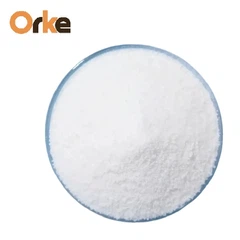

When it comes to using phenolic resin for composite materials, safety is of paramount importance. As a supplier of Phenolic Resin For Composite Materials, I understand the critical role that safety precautions play in ensuring the well - being of workers and the quality of the final products. In this blog, I will delve into the various safety measures that should be taken when working with phenolic resin in composite material applications.
1. Personal Protective Equipment (PPE)
One of the first lines of defense when using phenolic resin is the proper use of personal protective equipment. Workers should wear appropriate clothing, including long - sleeved shirts and long pants, to minimize skin exposure. Gloves made of nitrile or neoprene are essential as they provide a barrier against direct contact with the resin. These gloves should be inspected regularly for any signs of damage or wear, as even a small tear can expose the skin to the resin.
Safety goggles are also a must. Phenolic resin can splash during mixing or application, and getting it in the eyes can cause severe irritation and even permanent damage. A face shield can provide additional protection, especially when working in an environment where there is a high risk of splashing.
Respiratory protection is another crucial aspect. Phenolic resin can release fumes, especially when heated or cured. Workers should wear respirators that are specifically designed to filter out the harmful chemicals present in the fumes. The type of respirator required depends on the level of exposure and the specific chemicals involved. For example, an organic vapor respirator may be sufficient for low-level exposure, while a powered air - purifying respirator (PAPR) may be necessary for higher - risk situations.
2. Storage and Handling
Proper storage of phenolic resin is vital to prevent accidents. The resin should be stored in a cool, dry place away from direct sunlight and heat sources. It should be kept in tightly sealed containers to prevent evaporation and contamination. The storage area should be well - ventilated to disperse any fumes that may be released.
When handling the resin, it is important to use appropriate equipment. For example, when transferring the resin from one container to another, use a clean and dry funnel to avoid spills. Avoid using incompatible containers that may react with the resin or its additives. Instead, use containers made of materials such as polyethylene or polypropylene.
It is also crucial to label all containers clearly with the name of the resin, its hazards, and any handling instructions. This helps to ensure that workers are aware of what they are dealing with and how to handle it safely.
3. Mixing and Application
Mixing phenolic resin with other components to create composite materials requires careful attention to safety. When mixing, follow the manufacturer's instructions precisely. Incorrect mixing ratios can lead to improper curing and may also increase the risk of chemical reactions.
Use a well - ventilated area for mixing. The fumes released during the mixing process can be harmful, so it is important to have adequate ventilation to remove them from the work area. If possible, use a fume hood to contain the fumes and protect the workers.
During application, take extra precautions to prevent spills. Use appropriate tools such as brushes, rollers, or spray guns, and make sure they are clean and in good working condition. If a spill occurs, clean it up immediately using absorbent materials. Dispose of the contaminated absorbent materials properly according to local regulations.
4. Curing Process
The curing process of phenolic resin is a critical step that requires careful monitoring. Curing usually involves heating the resin to a specific temperature for a certain period of time. During this process, the resin releases fumes, and there is a risk of fire if the temperature is not controlled properly.
Use a curing oven that is designed for the specific type of phenolic resin being used. Make sure the oven is in good working condition and has proper temperature control. Do not exceed the recommended curing temperature, as this can cause the resin to decompose and release toxic fumes.
It is also important to ensure that the curing area is well - ventilated. Install exhaust fans or use a ventilation system to remove the fumes from the area. Workers should not enter the curing area until the fumes have dissipated and the resin has fully cured.

5. Waste Disposal
Proper waste disposal is an essential part of safety when using phenolic resin for composite materials. Any unused resin, containers, and contaminated materials should be disposed of in accordance with local environmental regulations.
Unused resin should be stored in a sealed container and labeled properly. It can be returned to the supplier for proper disposal or recycled if possible. Containers that have held phenolic resin should be handled according to local hazardous waste regulations before disposal. The rinse water should be treated as hazardous waste and disposed of accordingly.
Contaminated materials such as absorbent pads, gloves, and clothing should be placed in a sealed container and labeled as hazardous waste. They should be taken to a licensed waste disposal facility for proper treatment and disposal.
6. Training and Education
All workers who handle phenolic resin for composite materials should receive proper training and education. The training should cover the properties of the resin, its hazards, and the safety precautions that need to be taken. Workers should be familiar with the use of personal protective equipment, storage and handling procedures, mixing and application techniques, and waste disposal methods.
Regular safety meetings should be held to reinforce the importance of safety and to discuss any new safety issues or concerns. Workers should also be encouraged to report any safety incidents or near - misses immediately so that appropriate actions can be taken to prevent future accidents.
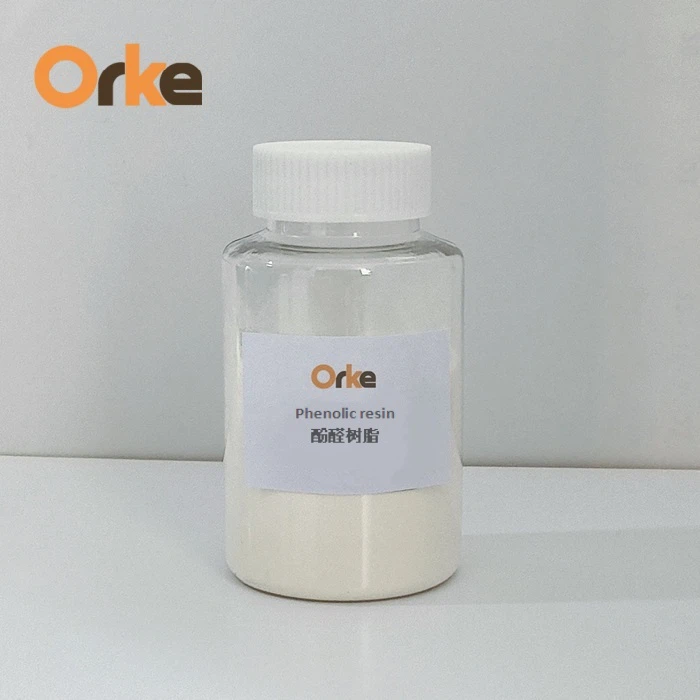
In conclusion, using phenolic resin for composite materials requires strict adherence to safety precautions. By following the guidelines outlined above, workers can minimize the risks associated with handling phenolic resin and ensure a safe working environment. If you are interested in purchasing Phenolic Resin For Composite Materials, we are here to provide you with high - quality products and professional advice. We also offer Phenolic Resin For Friction Materials and Phenolic Resin For Fireworks to meet different application needs. If you have any questions or would like to discuss a potential purchase, please feel free to reach out to us.