


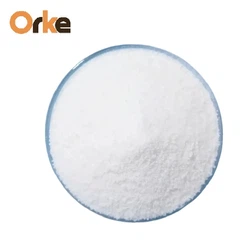

As a supplier of C5 Hydrocarbon Resin, I often get asked about the biodegradability properties of this product. In this blog post, I'll delve into the science behind C5 Hydrocarbon Resin's biodegradability, exploring its composition, factors affecting biodegradation, and the implications for its environmental impact.


Composition of C5 Hydrocarbon Resin
C5 Hydrocarbon Resin is a type of petroleum resin derived from the C5 fraction of cracked petroleum. The C5 fraction consists mainly of unsaturated hydrocarbons such as piperylene, isoprene, and cyclopentadiene. These monomers are polymerized to form a low - molecular - weight resin with a wide range of applications, including adhesives, coatings, and rubber compounding.
The chemical structure of C5 Hydrocarbon Resin is complex, with a combination of aliphatic and alicyclic structures. The presence of double bonds in the polymer chain makes it reactive and gives it good adhesive and tack properties. However, this same structure also affects its biodegradability.
Biodegradability of C5 Hydrocarbon Resin
Biodegradability refers to the ability of a substance to be broken down by living organisms, mainly bacteria and fungi, into simpler substances such as carbon dioxide, water, and biomass. The biodegradability of C5 Hydrocarbon Resin is relatively low compared to some natural polymers like cellulose or starch.
The complex and relatively stable chemical structure of C5 Hydrocarbon Resin makes it resistant to enzymatic attack by most microorganisms. The aliphatic and alicyclic chains in the resin do not provide an easy target for the enzymes produced by common soil bacteria and fungi. As a result, C5 Hydrocarbon Resin can persist in the environment for a relatively long time if not properly managed.
Factors Affecting Biodegradation
Several factors can influence the biodegradation of C5 Hydrocarbon Resin:
- Microbial Activity: The presence of specific microorganisms that can break down the resin is crucial. Some specialized bacteria and fungi have the ability to produce enzymes that can attack the chemical bonds in the resin. However, these microorganisms are not as common as those that can degrade natural polymers.
- Environmental Conditions: Temperature, pH, and moisture content play important roles in biodegradation. Optimal conditions for microbial growth, such as a moderate temperature (around 20 - 30°C), a neutral pH, and sufficient moisture, can enhance the biodegradation process. In harsh environments, such as extremely cold or dry conditions, the rate of biodegradation will be significantly reduced.
- Resin Structure: The molecular weight and degree of cross - linking of the C5 Hydrocarbon Resin can affect its biodegradability. Higher molecular weight and more highly cross - linked resins are generally more resistant to biodegradation because they are more difficult for microorganisms to access and break down.
Environmental Impact
The low biodegradability of C5 Hydrocarbon Resin means that it can accumulate in the environment if not properly disposed of. This can have several negative impacts:
- Soil and Water Contamination: If C5 Hydrocarbon Resin is released into the soil or water, it can persist and potentially contaminate these environments. This can affect the growth of plants and the health of aquatic organisms.
- Waste Management Challenges: The disposal of C5 Hydrocarbon Resin waste requires special attention. Landfilling is a common method, but the slow biodegradation rate means that it will take a long time for the resin to break down in landfills. Incineration can be an alternative, but it needs to be carried out under controlled conditions to avoid the release of harmful pollutants.
Comparison with Other Hydrocarbon Resins
When comparing C5 Hydrocarbon Resin with other hydrocarbon resins such as C9 Petroleum Resin and C9 Hydrocarbon Resin, the biodegradability properties can vary. C9 resins generally have a more aromatic structure compared to C5 resins. The aromatic rings in C9 resins can make them even more resistant to biodegradation in some cases.
On the other hand, Aliphatic C5 Resin has a more aliphatic structure, which may make it slightly more susceptible to biodegradation compared to some C9 resins. However, overall, both C5 and C9 hydrocarbon resins have relatively low biodegradability compared to natural polymers.
Improving Biodegradability
Although C5 Hydrocarbon Resin has low biodegradability, there are some ways to improve it:
- Blending with Biodegradable Polymers: By blending C5 Hydrocarbon Resin with biodegradable polymers such as polylactic acid (PLA) or polyhydroxyalkanoates (PHA), the overall biodegradability of the material can be increased. The biodegradable polymers can act as a matrix that allows microorganisms to access and break down the resin more easily.
- Surface Modification: Modifying the surface of the C5 Hydrocarbon Resin to make it more hydrophilic can enhance its interaction with water and microorganisms. This can potentially increase the rate of biodegradation.
Implications for the Industry
As a supplier of C5 Hydrocarbon Resin, it is important to be aware of the biodegradability properties of the product and to communicate this information to our customers. We also need to explore ways to reduce the environmental impact of our products.
For customers, understanding the biodegradability of C5 Hydrocarbon Resin can help them make more informed decisions about its use. In applications where environmental impact is a concern, they may consider alternative materials or take steps to ensure proper disposal of the resin.
Contact for Purchase and Discussion
If you are interested in purchasing C5 Hydrocarbon Resin or have any questions about its properties, applications, or environmental impact, we are here to help. Our team of experts can provide you with detailed information and support to meet your specific needs. Please feel free to reach out to us for further discussion and to start a procurement process.