


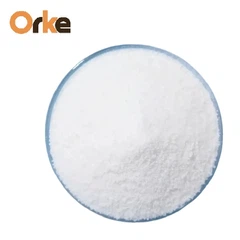

1. What Are Petroleum Resins?
Petroleum resins are low-molecular-weight thermoplastic hydrocarbon resins produced by polymerizing selected unsaturated hydrocarbon feedstocks, many of which originate from petroleum cracking streams. They are commonly used as tackifiers and performance modifiers in adhesives, coatings, printing inks, road-marking materials, rubber compounds, and other industrial formulations. In most applications, they are blended with base polymers or other formulation ingredients rather than used as standalone materials [1–3].
Petroleum resin feedstocks are commonly classified according to their hydrocarbon composition. Major product families include C5 aliphatic resins, C9 aromatic resins, C5/C9 modified or copolymer resins, cycloaliphatic dicyclopentadiene (DCPD) resins, and hydrogenated grades. These categories reflect differences in feedstock composition and manufacturing routes, which can influence the resulting resin structure and properties [1–3].
C5 and C9 fractions are commonly associated with by-products from petroleum steam cracking. C5 feedstocks contain reactive unsaturated aliphatic hydrocarbons, while C9 feedstocks are richer in aromatic compounds. Typical C5 components include piperylene and other reactive C5 hydrocarbons. C9 feedstocks may contain styrene, vinyltoluene, indene, methylindene, and alpha-methylstyrene. Actual feedstock composition varies with the cracking process and subsequent separation [1,3].
Not all petroleum resins are manufactured by the same polymerization process. Many C5 and C9 petroleum resins are produced by carbocationic polymerization, commonly using Lewis acid catalysts. Certain cycloaliphatic DCPD-based resins, however, are typically produced through thermal polymerization. Hydrogenation may be applied as a subsequent modification step to change the resin's unsaturation, color, and stability characteristics [1].
Petroleum resins are generally low-molecular-weight oligomeric materials. Their molecular weight and distribution depend on the feedstock, polymerization process, and product grade. There is no single molecular-weight range that should be assumed for every C5 or C9 commercial resin. When molecular-weight data are important to an application, buyers should request the supplier's measurement results and test method.
In China, GB/T 24138-2022, Petroleum Resin, is the current national standard covering petroleum resin products. It was published on April 15, 2022, and implemented on November 1, 2022. Buyers should consult the applicable product category and specific clauses in the standard when establishing purchasing specifications [4].
2. Key Differences Between C5 and C9 Petroleum Resins
The fundamental distinction between C5 and C9 petroleum resins is their feedstock composition and the resulting balance of aliphatic and aromatic structures. These structural differences influence properties such as compatibility, color, and formulation behavior. However, commercial performance also depends on molecular weight, softening point, manufacturing conditions, modification, and the specific application.
| Property | C5 Petroleum Resin | C9 Petroleum Resin |
|---|---|---|
| Typical feedstock | C5 aliphatic hydrocarbon fractions, commonly including piperylene and other reactive unsaturated C5 components. | C9 aromatic-rich hydrocarbon fractions, which may contain styrene, vinyltoluene, indene, methylindene, and alpha-methylstyrene. |
| Structural characteristics | Predominantly aliphatic-derived structures, with the precise composition depending on the feedstock. | Greater aromatic character due to the presence of aromatic feedstock components. |
| Typical color tendency | Often pale yellow to yellow, depending on grade and production process. | Often yellow to darker yellow or amber in conventional grades, depending on composition and processing. |
| Softening point | Available across a range of grades. | Available across a range of grades. |
| Compatibility tendency | Commonly considered for aliphatic and certain non-aromatic polymer systems. | Its aromatic character may be beneficial in selected aromatic or styrenic polymer systems. |
| Common application areas | Hot-melt adhesives, pressure-sensitive adhesives, rubber modification, and road-marking materials. | Printing inks, coatings, adhesives, rubber modification, and other formulation systems. |
The table describes general tendencies, not universal specifications. Commercial C5 and C9 products may have overlapping softening-point ranges, different color grades, and significantly different compatibility profiles. Product-specific technical data should always take priority over broad category assumptions.
2.1 Feedstock and Molecular Structure
C5 resins are derived from aliphatic-rich C5 hydrocarbon streams. Their molecular structures are generally less aromatic than those of conventional C9 resins. C9 resins are produced from aromatic-rich feedstocks and therefore contain a greater proportion of aromatic structural units.
Dicyclopentadiene deserves separate attention. Although cyclopentadiene-related compounds may occur in C5 cracking streams, DCPD-based resins are commonly treated as a distinct cycloaliphatic resin family. A DCPD resin should not automatically be classified as a conventional C5 resin simply because its precursor chemistry is associated with C5 hydrocarbons.
2.2 Compatibility: A Key Factor in Resin Selection
Compatibility between a petroleum resin and the base polymer is one of the most important considerations in formulation design. It can influence phase behavior, transparency, tack, cohesion, viscosity, and the overall performance of the finished product.
C5 resins are frequently considered for aliphatic polymer systems, while the aromatic character of C9 resins may be useful in certain aromatic or styrenic polymer systems. Nevertheless, it is not scientifically accurate to assume that all C5 resins are more compatible with non-polar polymers or that all C9 resins are more compatible with polar polymers.
Compatibility depends on several factors, including:
- The chemical structure and composition of the base polymer.
- The aromaticity and molecular-weight distribution of the resin.
- The resin softening point and other grade-specific properties.
- The resin-to-polymer ratio and the presence of oils, plasticizers, or other additives.
- The processing and application conditions.
Research on petroleum resins and styrene-butadiene rubber has shown that resin composition and polymer chain structure influence compatibility. The interaction between resin molecules and different rubber chain units can vary significantly [6].
Research on styrene-isoprene-styrene (SIS) and styrene-butadiene-styrene (SBS) hot-melt pressure-sensitive adhesives also demonstrates that the best tackifier selection depends on the combination of resin and polymer. In the formulations studied, a blend of aliphatic and aromatic resins performed well with SIS, while an aromatic-aliphatic copolymer was identified as a suitable option for SBS [7].
These findings should be treated as formulation-specific evidence rather than universal selection rules. Buyers should verify compatibility using the actual resin grade and base polymer intended for production.
2.3 Color and Hydrogenation
Conventional C5 resins are often available in lighter color grades, while conventional C9 resins may exhibit deeper color due to their aromatic composition and other color-contributing components. However, actual color is influenced by feedstock quality, polymerization conditions, purification, and subsequent treatment.
Hydrogenation is an important modification route for producing lighter-colored hydrocarbon resins and improving certain stability characteristics. During hydrogenation, unsaturated structures can be converted into more saturated structures. In aromatic C9 resins, hydrogenation of aromatic rings can also convert them into alicyclic structures.
A study by Sae-Ma et al. (2010) investigated the hydrogenation of both commercial and laboratory-prepared C9 hydrocarbon resins over a supported palladium catalyst [5]. The results showed a substantial difference between the two starting materials:
- The commercial C9 resin had an initial Gardner color of 8.4 and showed only a small change to 8.1 under the reported hydrogenation conditions.
- The prepared C9 resin had an initial Gardner color of 17.1. Its color decreased to 5.7 when the aromatic-ring hydrogenation degree reached 94%.
- The study also reported improved color stability during heat treatment, particularly when the degree of aromatic-ring hydrogenation was 50% or higher.
These figures are experimental results for the specific resins and conditions studied; they are not guaranteed color specifications for all commercial hydrogenated C9 products. The study demonstrates the potential of hydrogenation, but actual performance must be confirmed using the technical data and test results for the individual grade.
Hydrogenated C5 and C9 resins are often considered for applications that require improved color, transparency, or stability. They may be suitable candidates for clear adhesive tapes, light-colored formulations, and selected outdoor applications. However, odor, weatherability, and long-term performance depend on the complete product formulation and the specific resin grade.
2.4 Adhesion and Substrate Compatibility
Petroleum resins influence adhesive performance primarily through their compatibility with the base polymer and their contribution to the viscoelastic properties of the adhesive formulation.
The presence of aromatic rings in a C9 resin does not, by itself, prove that the resin will provide stronger adhesion to metal or glass. Adhesion also depends on substrate surface energy, surface cleanliness, surface treatment, adhesive wetting, binder chemistry, and the formulation as a whole.
Similarly, a C5 resin should not automatically be assumed to provide superior adhesion to every plastic film. Different plastics have different surface characteristics, and the final result depends on the adhesive system and processing conditions.
For applications involving metal, glass, plastic films, or other specific substrates, buyers should request application test data or conduct adhesion testing using the actual substrate and formulation.
2.5 Softening Point and Thermal Performance
C5 and C9 resins are available in multiple softening-point grades. Although some C9 products have higher softening points than certain C5 products, the softening-point ranges of the two resin families overlap, and softening point is not a fixed property that distinguishes all C5 resins from all C9 resins.
Softening point is an important parameter for evaluating resin handling, processing, and formulation behavior. However, it should not be treated as a direct measurement of the maximum service temperature or the heat resistance of a finished adhesive.
Actual high-temperature performance may also depend on melt viscosity, polymer compatibility, cohesive strength, thermal oxidation, and the service conditions of the final formulation. Buyers should therefore evaluate softening point together with thermal stability and application-specific performance.
3. Application-Based Selection: C5, C9, or Modified Resins?
C5 and C9 resins are not competing products with a universal winner. Each family offers different structural characteristics, and modified or copolymer grades provide additional formulation options.
3.1 Hot-Melt Adhesives and Pressure-Sensitive Adhesives
In hot-melt adhesives and pressure-sensitive adhesives, the tackifier must be compatible with the base polymer and provide an appropriate balance of tack, peel adhesion, and cohesive strength.
C5 resins, C9 resins, C5/C9 copolymers, and hydrogenated resins may all be considered, depending on whether the adhesive is based on SIS, SBS, EVA, or another polymer system.
For SIS and SBS formulations, resin selection should consider the different polymer domains and the effect of tackifier composition on both tack and cohesion. A resin that increases initial tack may also affect high-temperature shear performance or cohesive strength. The optimum choice must therefore be established through formulation testing.
3.2 Road-Marking Materials
Petroleum resins are used in selected road-marking formulations to modify binder properties and contribute to application performance. C5 resins are common candidates in this area, but the suitability of a particular grade depends on its softening point, color, compatibility with the binder, melt behavior, and the requirements of the finished marking material.
Buyers should not select a road-marking resin solely because it is classified as C5. The actual formulation should be evaluated for processing behavior, adhesion, drying or cooling characteristics, durability, and relevant application specifications.
3.3 Printing Inks and Coatings
C9 aromatic resins are commonly used in printing inks and coating formulations. Their aromatic character and product-specific properties may make them suitable for selected resin vehicles and binder systems.
The appropriate grade depends on the formulation's solvent or vehicle system, color requirements, viscosity, compatibility, drying behavior, and final film properties. Hydrogenated or otherwise modified grades may be considered where lighter color or improved stability is required.
3.4 Rubber Modification
Both C5 and C9 petroleum resins can be used in rubber-related formulations. They may influence tack, processability, damping behavior, or other compound properties, depending on the rubber type and formulation.
Research has shown that compatibility between petroleum resins and rubber matrices is affected by resin composition and the chemical structure of the rubber [6]. For rubber applications, buyers should evaluate the specific resin-elastomer combination rather than relying only on the C5 or C9 designation.
4. A Practical Procurement Checklist for C5 and C9 Petroleum Resins
When sourcing petroleum resins, buyers should look beyond the product category and nominal softening-point grade. A reliable procurement specification should connect material characteristics with the requirements of the actual formulation.
| Procurement Parameter | What to Confirm with the Supplier | Why It Matters |
|---|---|---|
| Resin type and feedstock family | C5, C9, C5/C9 copolymer, DCPD-based, or hydrogenated grade; request the product-specific TDS. | Clarifies the material category and helps narrow down suitable formulation options. |
| Softening point | Measured value, specification range, and test method, such as the applicable ring-and-ball method. | Helps assess processing and formulation requirements. |
| Color | Gardner or other applicable color result, test concentration, solvent, and method. | Supports color control and batch comparison. |
| Molecular-weight information | Mn, Mw, and molecular-weight distribution, where relevant, together with the analytical method. | Provides additional information for understanding resin structure and formulation behavior. |
| Polymer compatibility | Compatibility information for the intended EVA, SIS, SBS, rubber, or other base polymer. | Helps reduce the risk of phase separation, poor transparency, or inconsistent performance. |
| Thermal stability | Relevant heat-aging data, color stability results, or other agreed test results. | Helps assess performance during processing and service. |
| Batch consistency | Batch-specific COA, lot traceability, historical test results, and agreed acceptance tolerances. | Supports consistent quality across repeat orders. |
| Regulatory documentation | Applicable declarations, certificates, and supporting documents for the intended end-use market. | Helps address requirements for food-contact, packaging, or other regulated applications where relevant. |
Three Questions to Ask Before Requesting a Quotation
- What is the end application? Is the resin intended for a hot-melt adhesive, pressure-sensitive adhesive, road-marking material, printing ink, coating, or rubber compound?
- What is the base polymer or substrate? Is the formulation based on EVA, SIS, SBS, a specific rubber, or another material? What surface or material must the finished product bond to?
- Which performance requirements are most important? Are the priorities tack, peel adhesion, shear strength, color, transparency, processing viscosity, heat resistance, or weatherability?
Requesting a product-specific TDS and a batch-specific COA is an essential starting point. For important applications, buyers should also obtain representative samples and conduct testing under their own processing and service conditions.
The lowest purchase price does not necessarily represent the lowest total cost. A resin grade that provides more consistent processing, fewer defects, and better finished-product performance may reduce scrap, rework, and quality-related costs over time.
5. Conclusion: Select the Resin for the Formulation, Not Just the Category
C5 and C9 petroleum resins differ primarily in feedstock composition and the resulting balance of aliphatic and aromatic structures. These differences influence their typical color, compatibility tendencies, and potential application areas.
C5 resins are often considered for aliphatic polymer systems and selected adhesive, rubber, and road-marking applications. C9 resins are commonly used in printing inks, coatings, adhesives, and other formulations where their aromatic character may be beneficial. C5/C9 copolymers and hydrogenated grades provide additional options when a formulation requires a different balance of properties.
However, neither C5 nor C9 is universally superior. Compatibility, adhesion, color, softening point, and thermal performance are all influenced by the specific resin grade and the complete formulation.
For procurement decisions, the most reliable approach is to define the target application, identify the base polymer and substrate, confirm the required material specifications, and validate candidate grades through application testing.
If you are sourcing petroleum resins for adhesives, road-marking materials, rubber compounds, printing inks, or coatings, our team can help review your application requirements and identify suitable C5, C9, C5/C9 copolymer, or hydrogenated resin options.
Share your base polymer, target performance requirements, and processing conditions with us. We can start with product specifications, TDS/COA documentation, and representative samples to support a more reliable resin-selection decision.
References
- Lowery, R. D. (2000). Hydrocarbon Resins. In Kirk-Othmer Encyclopedia of Chemical Technology. John Wiley & Sons. DOI: 10.1002/0471238961.0825041812152305.a01.
- Mildenberg, R., Zander, M., & Collin, G. (1997). Hydrocarbon Resins. Wiley-VCH, Weinheim, Germany. DOI: 10.1002/9783527614653.
- Collin, G., Mildenberg, R., Zander, M., Höke, H., McKillip, W., Freitag, W., & Imöhl, W. (2000). Resins, Synthetic. In Ullmann's Encyclopedia of Industrial Chemistry. Wiley-VCH. DOI: 10.1002/14356007.a23_089.
- Standardization Administration of China. (2022). GB/T 24138-2022: Petroleum Resin. Published April 15, 2022; implemented November 1, 2022. Official national standards information: GB/T 24138-2022.
- Sae-Ma, N., Praserthdam, P., Panpranot, J., Chaemchuen, S., Dokjamp, S., Suriye, K., & Rempel, G. L. (2010). Color improvement of C9 hydrocarbon resin by hydrogenation over 2% Pd/γ-alumina catalyst: Effect of degree of aromatic rings hydrogenation. Journal of Applied Polymer Science, 117(5), 2862–2869. DOI: 10.1002/app.32189.
- Guo, Y., Liu, J., Lu, Y., Dong, D., Wang, W., & Zhang, L. (2018). A combined molecular dynamics simulation and experimental method to study the compatibility between elastomers and resins. RSC Advances, 8, 14401–14413. DOI: 10.1039/C8RA00572A.
- da Silva, S. A., Marques, C. L., & Cardozo, N. S. M. (2012). Composition and performance of styrene-isoprene-styrene (SIS) and styrene-butadiene-styrene (SBS) hot melt pressure-sensitive adhesives. The Journal of Adhesion, 88(2), 187–199. DOI: 10.1080/00218464.2012.648873.

