


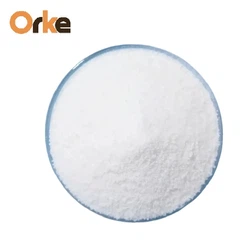
Hey there! As a supplier of phenolic resins, I'm super stoked to share with you how these amazing materials are synthesized. Phenolic resins are pretty cool because they've got a wide range of applications, from oil fields to composite materials. So, let's dive right into the nitty - gritty of how we make them.
The Basics of Phenolic Resins
First off, what are phenolic resins? Well, they're a type of synthetic polymer that's formed by the reaction between phenol and formaldehyde. These resins have been around for ages and are known for their excellent heat resistance, mechanical strength, and chemical stability. That's why they're used in so many industries.
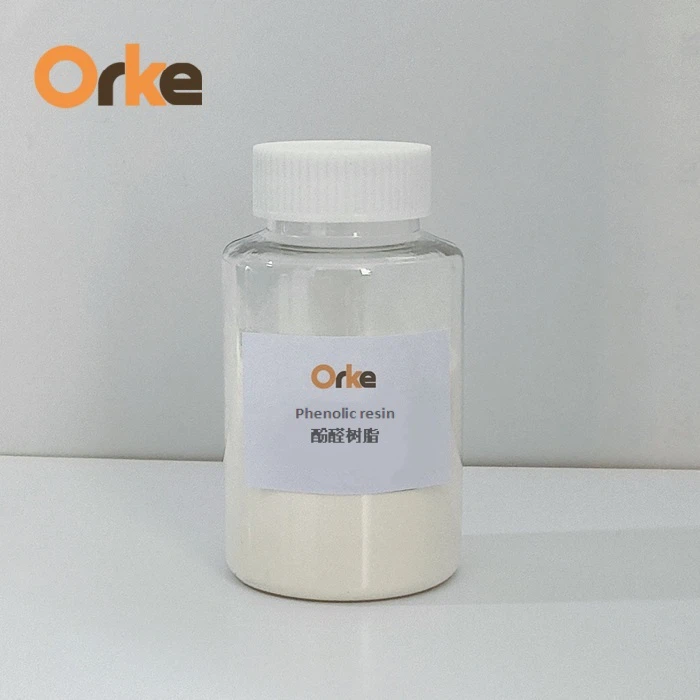

Ingredients Needed
To make phenolic resins, we need two main ingredients: phenol and formaldehyde. Phenol is a white crystalline solid with a distinct smell. It's derived from coal tar or petroleum. Formaldehyde, on the other hand, is a colorless gas that's usually used in an aqueous solution called formalin.
The Two Types of Phenolic Resins
There are two main types of phenolic resins: novolacs and resoles. Each type is synthesized a bit differently, and they have their own unique properties.
Novolac Resins
Novolac resins are made when we use a molar ratio of formaldehyde to phenol that's less than one. This reaction needs an acid catalyst, like hydrochloric acid or oxalic acid.
Here's a step - by - step process of how we make novolac resins:
- First, we mix phenol and formaldehyde in the right proportions in a reactor. The amount of formaldehyde is carefully measured to be less than the amount of phenol.
- Then, we add the acid catalyst to the mixture. The acid helps speed up the reaction.
- We heat the mixture under reflux. This means that the vapors produced during the reaction are condensed and returned to the reactor. The reaction typically takes a few hours, and during this time, the phenol and formaldehyde start to react and form a pre - polymer.
- After the reaction is complete, we cool the mixture. The resulting novolac resin is a solid at room temperature. It doesn't have any reactive methylol groups, which means it needs a curing agent, usually hexamethylenetetramine, to harden.
Novolac resins are often used in applications where high heat resistance is required, like in Phenol Formaldehyde Resin products. They're also great for making molded parts because they can be easily shaped when heated.
Resole Resins
Resole resins, on the other hand, are made when the molar ratio of formaldehyde to phenol is greater than one. For this reaction, we use a basic catalyst, such as sodium hydroxide or ammonia.
Here's how we synthesize resole resins:
- We start by mixing phenol and formaldehyde in a reactor, with formaldehyde in excess.
- Then, we add the basic catalyst to the mixture. The basic environment promotes the reaction between the two components.
- We heat the mixture, but this time, the reaction is a bit more exothermic. We need to control the temperature carefully to avoid over - reaction. The reaction forms a resin with a lot of reactive methylol groups.
- Depending on the application, we can either stop the reaction at an early stage to get a low - molecular - weight resole or let it continue to form a higher - molecular - weight product. Resole resins can cure on their own when heated, without the need for an additional curing agent.
Resole resins are widely used in Phenolic Resin For Oil Fields because of their good adhesion and chemical resistance. They're also used in Phenolic Resin For Composite Materials as a binder.
The Curing Process
Once we've synthesized the phenolic resin, it needs to be cured to get its final properties. Curing is the process of hardening the resin.
For novolac resins, as I mentioned earlier, we use a curing agent like hexamethylenetetramine. When we heat the novolac resin with the curing agent, the hexamethylenetetramine breaks down and releases formaldehyde, which then reacts with the novolac to form a cross - linked network. This cross - linking gives the resin its strength and heat resistance.
Resole resins can cure on their own when heated. The reactive methylol groups in the resole resin react with each other to form a three - dimensional network. The curing temperature and time depend on the specific application and the type of resole resin.
Quality Control
Throughout the synthesis process, we have to do a lot of quality control. We test the resin for things like viscosity, molecular weight, and curing time. These tests help us make sure that the resin meets the requirements of our customers. For example, if a customer needs a resin with a specific viscosity for a particular application, we can adjust the synthesis process to achieve that.
Applications of Phenolic Resins
Phenolic resins have a ton of applications. In the oil and gas industry, they're used to make coatings for pipes and wellbore liners. The heat and chemical resistance of phenolic resins make them ideal for protecting these structures from harsh environments.
In the composite materials industry, phenolic resins are used as binders. They help hold the fibers together in materials like fiberglass and carbon fiber composites. These composites are used in aerospace, automotive, and construction industries because of their high strength - to - weight ratio.
Why Choose Our Phenolic Resins
As a supplier, we take pride in providing high - quality phenolic resins. Our resins are synthesized using the latest technology and strict quality control measures. We can customize the resins to meet the specific needs of our customers. Whether you need a resin for oil fields, composite materials, or any other application, we've got you covered.
If you're interested in purchasing phenolic resins, we'd love to have a chat with you. We can discuss your requirements, provide samples, and give you a quote. Just reach out to us, and we'll be happy to help you find the perfect phenolic resin for your project.
References
- Odian, G. (2004). Principles of Polymerization. Wiley.
- Mark, H. F., Bikales, N. M., Overberger, C. G., & Menges, G. (Eds.). (1985-1990). Encyclopedia of Polymer Science and Engineering. Wiley.