



Introduction
Waste asphalt regenerants (also referred to as rejuvenators) are additives intended to restore the properties of aged asphalt binder in reclaimed asphalt pavement (RAP). Whether they can be used in bituminous concrete production depends on RAP characteristics, regenerant chemistry, dosage, mix design, and performance verification. This article provides a technical evaluation framework for engineers and decision-makers considering the use of waste asphalt regenerants in bituminous concrete production.
What Is a Waste Asphalt Regenerant?
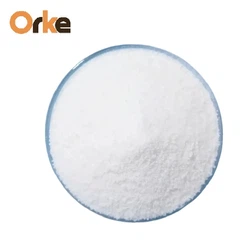
A waste asphalt regenerant is a composite additive designed to restore aged asphalt binder by replenishing depleted light fractions and facilitating the disaggregation of asphaltene clusters. Over time, asphalt hardens and cracks due to oxidation, traffic loads, and environmental exposure. During aging, the light fractions (maltenes) in asphalt are depleted while the heavy fractions (asphaltenes) aggregate, disrupting the colloidal structure balance. Regenerants restore the colloidal structure and rheological properties of aged asphalt, making it reusable in new asphalt mixtures (Tan et al., 2025). Unlike simple softening agents, regenerants work at the molecular level to rebalance the aged binder's composition.
Mechanism of Rejuvenation
The rejuvenation mechanism involves three primary processes: diffusion of the regenerant into the aged binder, replenishment of depleted light components, and deagglomeration of asphaltene clusters. Research has demonstrated that rejuvenators can improve fatigue life by more than 400% under controlled laboratory conditions and shift the low-temperature grade to a higher level, indicating improved cracking resistance at low temperatures (Tan et al., 2025). The effectiveness of rejuvenation depends on the compatibility between the regenerant and the aged binder, as well as the diffusion kinetics at mixing temperatures.

Role in Bituminous Concrete Production
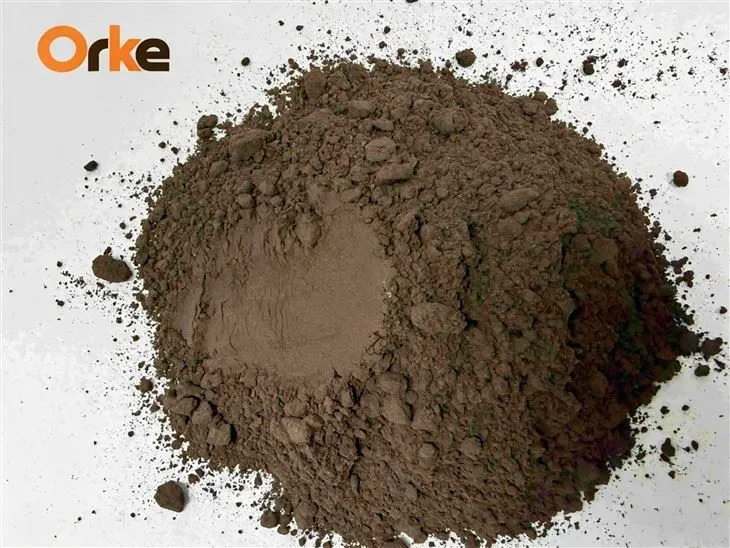
In bituminous concrete production, the main components are aggregates, asphalt binder, and additives. The aggregates provide structural strength, while the asphalt binder acts as the adhesive matrix. Waste asphalt regenerants can be incorporated into this system by enabling the use of RAP as a partial replacement for virgin binder and aggregates.
Under appropriate conditions, regenerants can be incorporated into bituminous concrete production. The technical feasibility depends on several factors:
RAP source and aging level: The degree of binder oxidation and the presence of contaminants affect regenerant performance.
Regenerant type and dosage: Different chemistries (bio-based, synthetic, waste-oil-based) behave differently across binder grades.
Target performance grade (PG): The required PG grade for the project climate and traffic loading determines the acceptable RAP content and regenerant dosage.
Mix design parameters: Volumetric properties and performance testing must be conducted to validate the design.
RAP and Regenerant Interaction
The interaction between RAP and regenerant is governed by the degree of blending between the aged binder and the rejuvenator. The optimal rejuvenator dosage varies with RAP content. Research indicates that when RAP content is below 30%, the impact on recycled asphalt mixture performance is minimal (Tan et al., 2025). For higher RAP contents, a composite rejuvenator strategy - such as 3% bio-oil combined with 2.5% plasticizer - achieved optimal performance at 30% RAP content, balancing mechanical properties and economic benefits (Composite rejuvenator strategy, 2026). Another study evaluated rejuvenator dosages of 4.8%, 6.0%, and 7.2% for 30% RAP, and 8%, 10%, and 12% for 50% RAP, finding that optimal dosages vary based on RAP content (Performance Evaluation of High-RAP Asphalt Mixtures with Compound Bio-Based Rejuvenators, 2026).
Mix Design and Dosage Determination
Proper mix design is critical when incorporating waste asphalt regenerants. The following framework is recommended:
Characterize RAP: Determine aged binder content, penetration, softening point, and aggregate gradation.
Select regenerant type and dosage: Conduct compatibility testing with the target virgin binder.
Perform volumetric mix design: Follow AASHTO R 35 for Superpave volumetric design (AASHTO, 2022).
Verify performance: Conduct rutting, fatigue, low-temperature cracking, and moisture susceptibility testing.
Validate with field trials: Laboratory results require confirmation under project-specific conditions.
The following table summarizes typical RAP content ranges and corresponding considerations:
| RAP Content | Regenerant Dosage Range | Target Performance | Test Standards |
|---|---|---|---|
| 20–30% | 3–5% | PG grade restoration | AASHTO T 315, T 313 |
| 30–40% | 5–7% | Fatigue life improvement | AASHTO T 321 |
| >40% | Project-specific design | Rutting/low-temperature balance | AASHTO T 324 |
Note: Dosage ranges are indicative and require project-specific optimization.
Performance Verification
Performance verification should include the following tests:
Rutting resistance: Dynamic stability test (e.g., AASHTO T 324 Hamburg Wheel-Track).
Fatigue resistance: Four-point bending beam fatigue test (AASHTO T 321).
Low-temperature cracking: Bending beam rheometer (AASHTO T 313) and thermal stress restrained specimen test.
Moisture susceptibility: Tensile strength ratio test (AASHTO T 283).
Supplier-reported data for one commercial regenerant product indicate that at 6% dosage, penetration (25°C) increased from 19 (aged asphalt) to 43, and softening point decreased from 89.0°C to 83.5°C. At 8% dosage, penetration reached 49 and softening point dropped to 80.6°C. Marshall Stability reached 10.08 kN at 6% dosage, and the -10°C Ultimate Tensile Strain reached 3300×10⁻⁶ at 8% dosage (Orke Chemical, product specification). These values are supplier-reported and require independent verification for specific RAP sources and project conditions.
Environmental and Economic Benefits
Life cycle assessment studies have demonstrated significant environmental benefits from using recycled asphalt with rejuvenators. One study reported that recycled asphalt mixtures incorporating a regenerant achieved an 18.7% reduction in cost and a 27.4% reduction in carbon emissions compared to virgin mixtures (Song et al., 2026). Another LCA study found that recycled pavement using waste-derived materials can reduce global warming potential by 79.6% and non-biotic resource consumption by 90.8% compared to conventional pavements (Sustainable pavements using waste engine oil residues and crumb rubber recycled asphalt, 2025). A separate study reported a 28.81% reduction in carbon emissions during the construction phase when using 60% rejuvenated RAP (Recycled used cooking oil (UCO) as a rejuvenator, 2025).
These environmental benefits stem from reduced demand for virgin binder and aggregates, reduced landfill disposal of RAP, and lower energy consumption in material extraction and processing.
Safety and Regulatory Considerations
When using waste asphalt regenerants and RAP, the following safety and regulatory aspects should be addressed:
RAP contaminants: RAP may contain polycyclic aromatic hydrocarbons (PAHs), heavy metals, and other contaminants from prior pavement service. Characterization may be required depending on local regulations.
Regenerant composition: Regenerants may contain light hydrocarbons, bio-oils, or waste-derived oils. Material Safety Data Sheets (MSDS) should be obtained, and flash point, VOC content, and occupational exposure limits should be reviewed.
Regulatory compliance: Applicable regulations may include OSHA (occupational safety), EPA (environmental protection), and EU REACH (chemical registration) requirements, depending on the project jurisdiction.
Waste classification: RAP and regenerant materials should be classified according to local waste management regulations.
Disclaimer: This article provides general technical guidance. Actual performance depends on the complete mix design, RAP source, regenerant chemistry, and project conditions. Laboratory testing and field trials are required before implementation.
Limitations and Application Boundaries
Waste asphalt regenerants are not universally applicable. Key limitations include:
RAP aging level: Severely oxidized binders may require higher regenerant dosages, which can negatively affect rutting resistance.
Regenerant compatibility: Not all regenerants are compatible with all binder grades. Compatibility testing is essential.
RAP content limits: High RAP contents (>40%) require specialized mix design and may compromise certain performance properties without appropriate additives.
Climate and traffic: Performance requirements vary by climate zone and traffic loading; a mix suitable for one project may not be suitable for another.
Conclusion
Waste asphalt regenerants can be used in bituminous concrete production under appropriate conditions. The technical feasibility depends on RAP characteristics, regenerant selection, mix design, and performance verification. When properly designed and tested, recycled asphalt mixtures incorporating regenerants can deliver cost savings, environmental benefits, and satisfactory performance. Engineers and decision-makers should apply a structured evaluation framework - from RAP characterization through performance verification - before implementation.
Technical Inquiry Checklist
For technical discussions regarding waste asphalt regenerant applications, the following information is typically required:
RAP source and aging level (penetration, softening point of extracted binder)
Target binder grade (PG grade or penetration grade)
Intended RAP content (%)
Regenerant type and proposed dosage (%)
Target performance tests and acceptance criteria
Applicable standards and regulatory market
Project climate and traffic loading conditions
References
Rahman, M. T., Mohajerani, A., & Giustozzi, F. (2020). Recycling of waste materials for asphalt concrete and bitumen: A review. Materials, 13(7), 1495. https://doi.org/10.3390/ma13071495
Song, Y., Lu, Z., Xie, J., et al. (2026). Investigation on the performance, environmental and economic benefits of coarse-grained recycled asphalt mixture with high RAP content. Construction and Building Materials, 510, 145211. https://doi.org/10.1016/j.conbuildmat.2026.145211
Tan, Y., Xie, J., Xu, J., Li, K., & Wei, D. (2025). Rheological properties and regeneration mechanisms of recycled asphalt: A comparative study of mineral rejuvenators and biomass rejuvenators. Construction and Building Materials, 491, 142665. https://doi.org/10.1016/j.conbuildmat.2025.142665
ASTM D4552/D4552M-20(2025). Standard Classification for Hot-Mix Recycling Agents. ASTM International.
AASHTO R 35. Standard Practice for Superpave Volumetric Design for Asphalt Mixtures. American Association of State Highway and Transportation Officials.
Composite rejuvenator strategy for optimizing the performance of RAP-recycled asphalt mixtures. (2026). Construction and Building Materials.
Performance evaluation of high-RAP asphalt mixtures with compound bio-based rejuvenators. (2026). Transportation Research Record.
Sustainable pavements using waste engine oil residues and crumb rubber recycled asphalt: Properties and life cycle assessment. (2025). Journal of Cleaner Production.
Recycled used cooking oil (UCO) as a rejuvenator in high content reclaimed asphalt pavement (RAP) mixes: A life cycle assessment (LCA). (2025). Journal of Cleaner Production.