


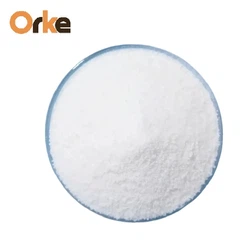

Petroleum resin is a thermoplastic resin obtained as a byproduct of petroleum cracking through specific chemical processes (such as pretreatment, polymerization, and distillation). It is not a traditional polymer, but rather consists of oligomers with molecular weights ranging from 300 to 3000. These oligomers are primarily composed of hydrocarbons, and are therefore also called hydrocarbon resins.
Petroleum resins can be divided into various types depending on the raw material, including aliphatic resins (primarily made from the C5 fraction), cycloaliphatic resins (such as dicyclopentadiene, DCPD), aromatic resins (primarily made from the C9 fraction), aliphatic/aromatic copolymer resins (copolymerized from C5 and C9 fractions), and hydrogenated petroleum resins (hydrogenated to improve stability and weatherability).
Petroleum resins possess numerous excellent properties, such as good solubility, compatibility, water and chemical resistance, thermal stability, and adjustable viscosity. These properties have led to their widespread application in a variety of fields, including coatings, inks, adhesives, rubber, plastics, cosmetics, and pharmaceuticals. In addition, with increasing environmental awareness and the growing popularity of sustainable development concepts, the petroleum resin industry is continuously exploring and developing more environmentally friendly and biodegradable products to meet market demand.
In general, petroleum resin is an important chemical raw material with broad application prospects and market potential.